The Artistic Difference
Vanities for everyone
Ikou Inc. is a leading North American direct-to-consumer retailer, manufacturer and distributor of premium bathroom lifestyle products, including vanities, faucets and accessories. Our objective is to create sumptuous bathrooms that bring pleasure to those who appreciate high design, superb quality and pure luxury. Ikou Inc’s coveted, on-trend collections offer incomparable style, workmanship and versatility, at desirable price points through a line of brands – Art Bathe, Studio Bathe, Spa Bathe and Urban Bathe.
20
Years in Business
Years in Business
180000
Vanities Sold
Vanities Sold
560
Recycled Materials Used
Recycled Materials Used
Testimonials
Customer Reviews
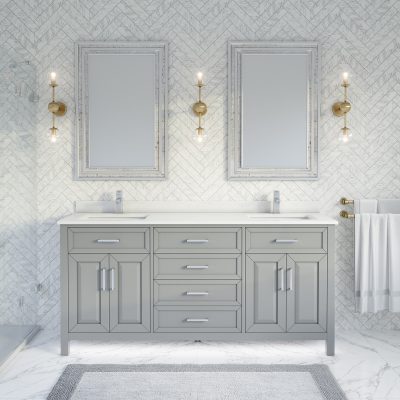
This is a beautiful vanity! Absolutely perfect in our new girls bathroom. It’s heavy, but comes in 2 pieces (base and countertop) so make sure you have help. Delivery through FedEx was wonderful, they stayed until we examined the product. Absolutely recommend!
// Anonymous
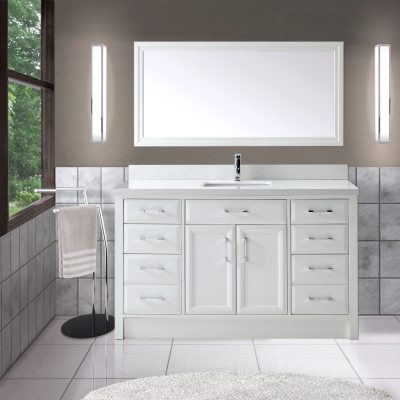
This came incredibly well packed! Not a single scratch or mark on it. It is very heavy so definitely need a couple of strong people. I love the flip down toe boards. Lots of storage. Our water comes from the wall so I was unable to use the shelf for under the sink but I do use it to cover the sink and give me extra counter space when getting ready. My only complaint is that I think the drawers could be longer, there is several inches between the backs of the drawers and the back of the cabinet. A girl can always use a little more space. I would recommend this to everyone looking for a beautiful bathroom vanity. I am very happy with my purchase.
// Anonymous
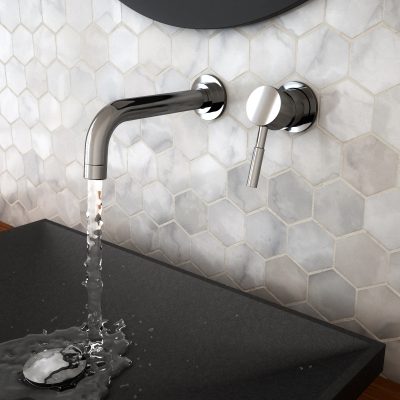
The faucet has a very modern and unique look. Just to be aware, due to the length of the spout, when the faucet is turned off, water will still drain out for a couple of seconds.
// Anonymous
Video Presentation
Great Bathroom Vanities